Authored By-Womble Ayers
Opting to have LASIK procedures is a significant decision that can change your vision and enhance your standard of living. With advancements in tech, this procedure has become increasingly popular among individuals looking to reduce their reliance on glasses or contact lenses. However, choosing the right LASIK surgeon is vital to guaranteeing a positive outcome and a hassle-free experience.
As you begin this path, it's essential to consider various elements that will lead you in locating an experienced LASIK surgeon who fulfills your specific requirements. From comprehending various methods like bladeless LASIK to evaluating a doctor's credentials and expertise, making an informed choice will set the foundation for a successful vision makeover. In this article, we will offer you with essential advice to guide the process of choosing a skilled laser eye surgeon who can help you attain the crystal clear, vibrant sight you desire.
Understanding Laser-Assisted In Situ Keratomileusis Surgery
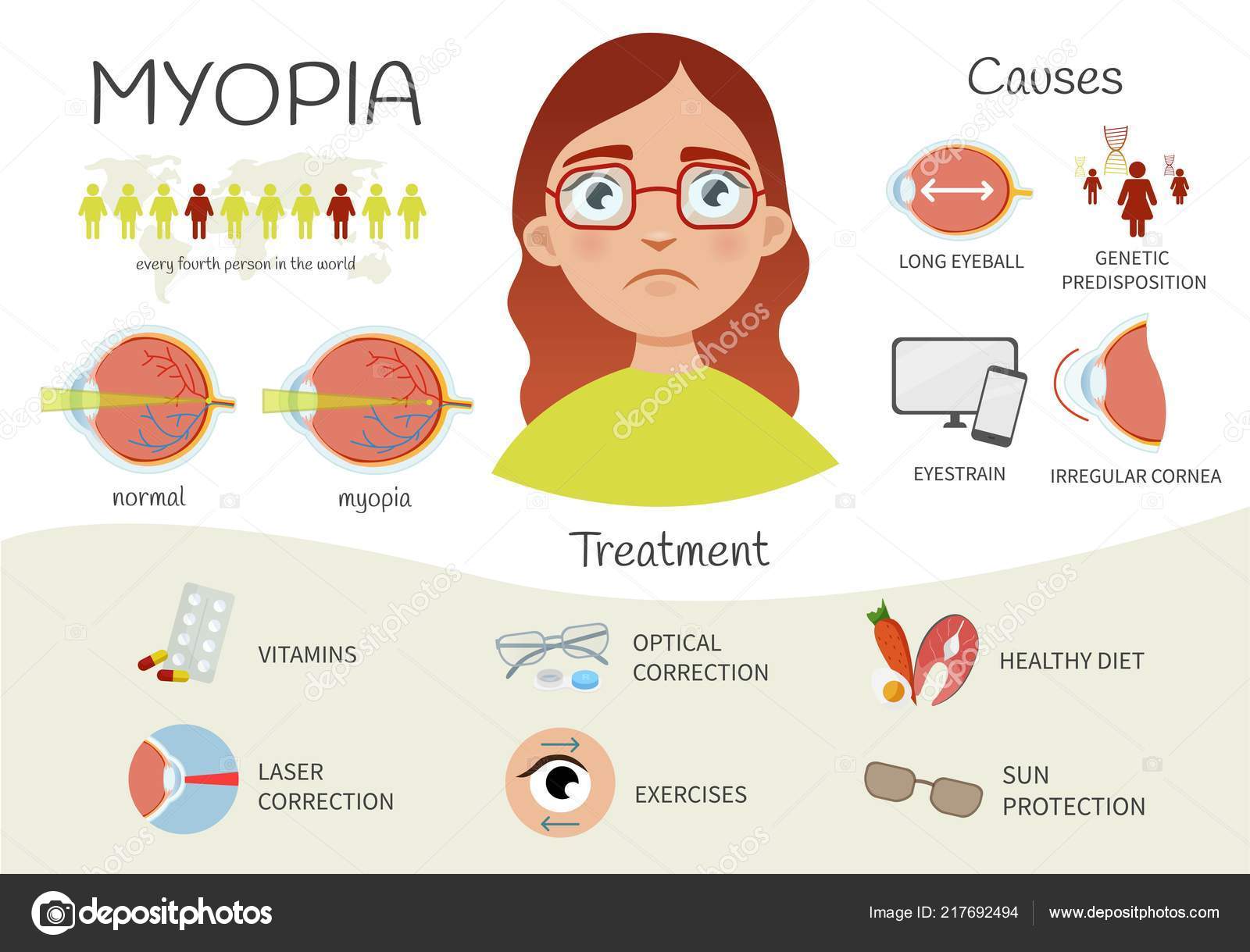
LASIK procedure, or Laser-Assisted In Situ Keratomileusis, is a popular and effective surgery designed to address frequent vision problems such as myopia, hyperopia, and irregular vision. https://mgyb.co/s/kbUYz employs advanced laser technology to contour the cornea, enabling light to converge correctly on the retina. This non-hospital surgery typically requires only a limited minutes per eye, making it a fitting option for several patients seeking freedom from glasses or contacts.
One of the important elements in the success of LASIK is the competence of the ophthalmologist. An seasoned laser eye surgery surgeon will have a thorough grasp of the complex anatomy of the visual organ and the basic principles of this type of surgery. Considerations such as the granularity of the eye’s surface, the contour, and overall condition are critical in deciding the best approach for each individual, underlining the importance of choosing a skilled surgeon.
Technological improvements have also led to the development of non-bladed LASIK, which uses a femtosecond laser to create the corneal flap instead of a classic microkeratome. This approach offers enhanced accuracy and minimizes the risk of issues. Patients considering laser eye surgery should talk with their laser eye surgeon the options available, including the gains of bladeless procedure, to make an knowledgeable decision that corresponds with their vision correction necessities.
Credentials of a Skilled Surgeon
While choosing a LASIK surgeon, it is important to assess their qualifications rigorously. A well-qualified surgeon should have a degree in medicine from a reputable institution and specialized training in eye surgery. Look for licenses from respected professional associations, such as the American Board of Ophthalmology, which demonstrate that the doctor has met high standards of training and practice in the domain of eye care.
Expertise plays a critical role in the effectiveness of LASIK procedures. An accomplished LASIK specialist usually has conducted many surgeries and remains informed on the latest developments in laser technology and methods. This extent of expertise not only does it enhance the doctor's skill but also instills confidence in patients, knowing they are in capable hands. Be sure to inquire about their performance and the results of previous procedures.
Moreover, consider the technological capabilities of the facility where the doctor works. A no-blade LASIK surgeon who employs the latest laser technology might provide greater accuracy and safety in contrast to traditional methods. It is also helpful to look for patient feedback and testimonials, as they can provide information into the surgeon's skill and dedication to patient care.
Advantages of Bladeless LASIK
Bladeless LASIK, which is also referred to as femtosecond LASIK, offers numerous significant benefits over conventional LASIK procedures. One of the primary advantages is the increased precision in forming the eye flap. Using a femtosecond laser instead of a blade diminishes the likelihood of irregularities and complications, leading to superior visual outcomes. Patients can expect a more uniform surface on the cornea, which can improve the recovery process and improve overall visual clarity.
Additionally, Bladeless LASIK is associated with a decrease in discomfort and the quickness of the process. Many patients report feeling reduced pressure and pain compared to traditional methods, making their experience more comfortable. Additionally, since the flap formation is completed quickly with a laser, patients spend less time in the operating chair, which minimizes anxiety and increasing satisfaction with the treatment.
In conclusion, Bladeless LASIK is linked to fewer complications related to flap creation. The use of lasers permits a uniformly customizable and customizable flap that can accommodate specific corneal shapes and thicknesses. This leads to a lower incidence of issues such as flap dislocation or complications during the healing phase, making it a safer option for patients thinking about laser correction.
Questions to Ask Your LASIK Surgeon
When considering LASIK operation, it's important to ask your doctor about their experience and qualifications. https://www.verywellhealth.com/amblyopia-lazy-eye-overview-4175206 about how many procedures they have performed and their overall success rates. An expert LASIK surgeon will be transparent about their history and should offer you with data that proves their expertise. Understanding their background in the field can give you confidence in their capability to manage your specific case.
A further important factor to discuss is the equipment used during the procedure. If you are interested in a bladeless approach, make sure to ask if your surgeon specializes in this technique and what advantages it may provide compared to traditional LASIK. A well-informed laser eye surgeon should be able to explain the variances clearly and help you grasp which option might be best for your eye care.
Lastly, do not hesitate to ask about the after surgery care and recovery protocol. Understanding what to foresee after the operation, including any potential side effects and the timeline for recovery, is essential for your comfort. A qualified LASIK surgeon will offer comprehensive guidance on post-surgery and follow-up visits to ensure your sight improves as expected.